
 Energy Transition
Turning Waste Brine into Resources
10/19/2026 - 09.00 AM
Energy TransitionThe industry is under pressure to reduce process effluents, limit water consumption, and rethink waste as raw materials.
Electrochemical salt splitting addresses this challenge: it separates the salts dissolved in spent brines and converts them into acids, bases, and reusable water, enabling more circular production models.
The energy transition, water scarcity, and circular economy goals have shifted the focus from wastewater—once viewed as a disposal cost—to brine effluents, now seen as resource streams to be valorized.
For industrial facilities, this means treating saline wastewater more efficiently, reducing the use of fresh reagents, and limiting the environmental impact of discharges.
Salt splitting, also known as desalination or electrochemical salt removal, uses electricity to separate salts from aqueous solutions.
The result is not only cleaner water: the process can also regenerate acids and bases that can be reused in the production cycle.
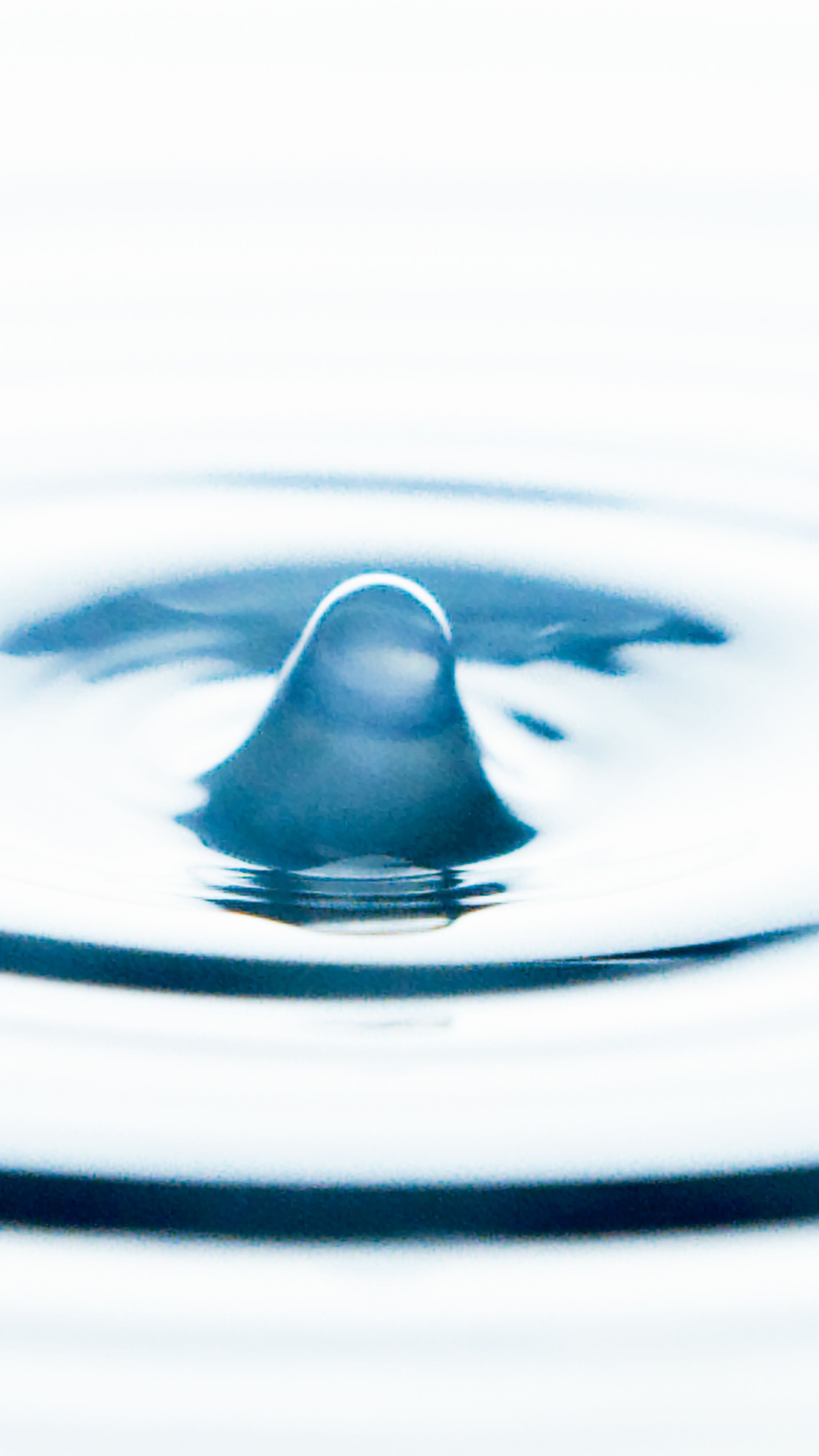
In a closed-loop system, spent brines become inputs for the on-site production of reusable acids and bases. This can drastically reduce the need for reagents and water, as well as the need to dispose of large volumes of contaminated wastewater.
The value of salt splitting lies in the combination of three outcomes:
Recovery of acids and bases from spent brines that would otherwise have to be treated or disposed of.
Production of reusable water, resulting in reduced water withdrawal.
Reduction of waste and discharges by transforming waste salts into raw materials for the process.
Discover our Salt Splitting Solutions
The process is based on an electrochemical cell in which the electrodes are immersed in a saline solution. Applying an electric current initiates the electrolysis of water: oxygen and protons are formed at the anode, while hydrogen and hydroxyl ions are generated at the cathode.
2H₂O → O₂ + 4H⁺ + 4e⁻ (anode)
2H₂O + 2e⁻ → H₂ + 2OH⁻ (cathode)
At the same time, the electric field causes the ions to migrate toward the electrode of opposite charge: the anions move toward the anode, where they encounter H⁺ protons, while the cations move toward the cathode, where they interact with OH⁻ hydroxide ions.
It is precisely these selective movements that make separation possible: the salt ions are channeled into separate compartments, the treated water remains in the central zone, and the three streams can be collected separately.
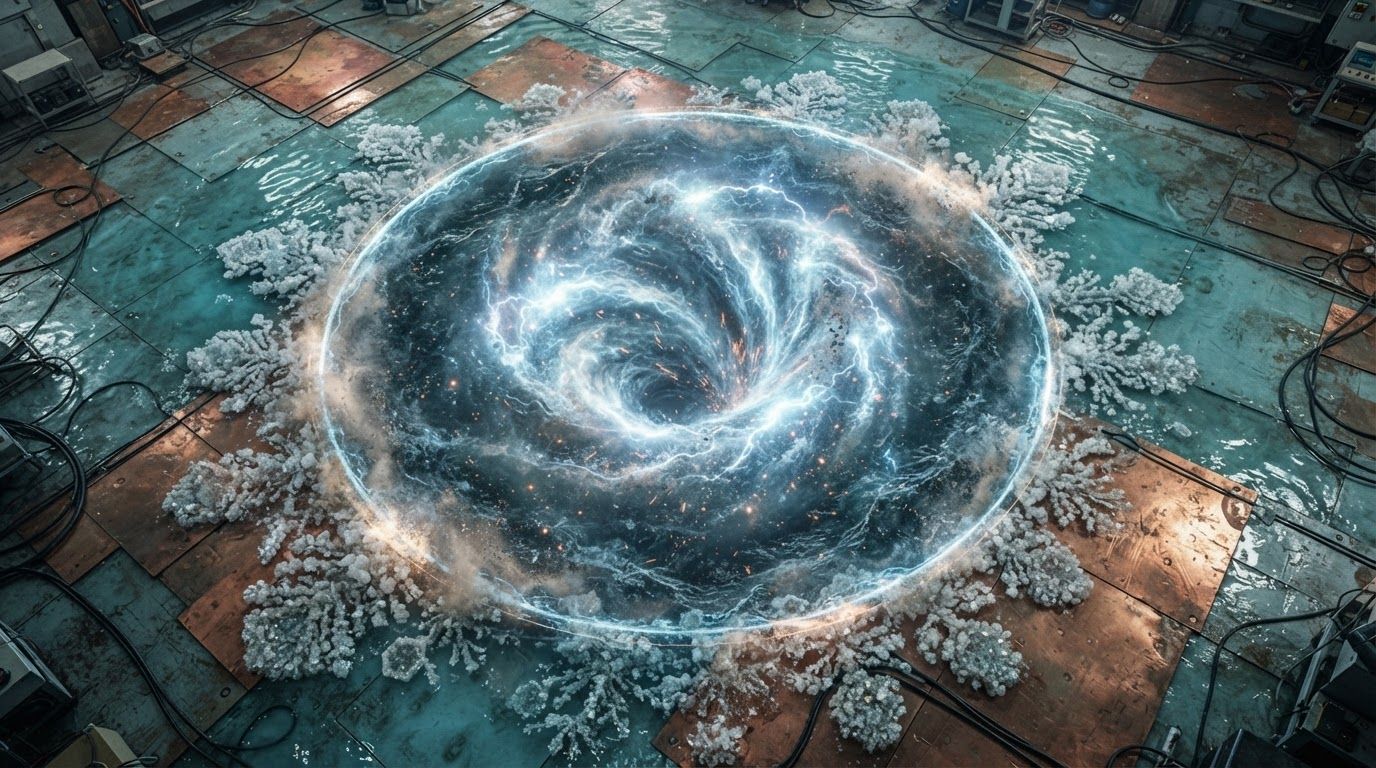
From Saltwater Waste to New Resources
Thanks to ion-selective membranes and the water-splitting reaction, salt splitting can convert salts such as sodium sulfate or lithium sulfate into their respective bases and acids, such as sodium hydroxide or lithium hydroxide and sulfuric acid.
This opens up concrete possibilities in sectors where brine byproducts are common, ranging from lithium refining and recycling to process chemistry, from brine treatment to production cycles that use acids and bases as reagents.
An Opportunity for the Industry
Salt splitting is not just a treatment technology—it is an opportunity to rethink the management of spent brine as an integral part of a sustainability and competitiveness strategy. Recovering water, acids, and bases means reducing discharges, improving process efficiency, and creating value from materials already present in the plant.
For companies embracing circularity, the question is no longer just “how do we treat this brine?”, but “how much value can we recover from it?”.
Electrochemical salt splitting offers a concrete answer to this question.

Via Leonardo Bistolfi, 35
20134 Milan Italy
+39 02 21291
industriedenora@denora.com
For the dissemination and storage of Regulated Information, Industrie De Nora S.p.A. has chosen to make use of the 1INFO system (www.1info.it), managed by Computershare S.p.A. having its registered office in Milan, via Lorenzo Mascheroni 19, and authorized by CONSOB.
Copyright © 2009/2026 Industrie De Nora S.p.A.
Share capital € 18.268.203,90 Fully paid up - Company registration number MI / VAT 03998870962 - REA number MI - 1717984